Best Automotive Trade Shows in Germany for Business Networking
Not all German automotive shows serve the same purpose. Choose IAA for OEM exposure, Automechanika for aftermarket deals, and specialist expos like The Battery Show and Automotive Testing Expo for technical buyers. Prepare targeted meetings, digitize cards on-site, and follow up within 72 hours to convert conversations into projects.

You have limited time and travel budget, and you need to pick the right German shows to meet the right people: OEM buyers, tier suppliers, battery specialists, or testing engineers. This article highlights the automotive trade shows in Germany that produce the best business networking opportunities, explains who should attend each, and gives practical on-site and follow-up tactics you can use to turn conversations into projects.
Which shows to consider and who they suit
IAA Mobility (Munich) - broad OEM and mobility audience
What it is: A high-profile mobility and passenger vehicle event that attracts OEMs, mobility services, tech startups, and suppliers. Why go: If your objective is strategic partnerships with manufacturers, media exposure, or meeting multiple large buyers in one place, this is the show to prioritize.
Who should attend: Business development leads from software and vehicle systems companies, startups seeking OEM pilots, communications teams, and corporate strategy managers.
Automechanika Frankfurt - aftermarket, parts, and service suppliers
What it is: A longstanding trade fair focused on aftermarket products, parts manufacturing, repair and maintenance services, and service tools. Why go: Many procurement and channel managers responsible for parts sourcing attend this show looking for vendors and service partners.
Who should attend: Component suppliers, distributors, tooling and diagnostics firms, and B2B salespeople building dealer or service network relationships.
The Battery Show Europe - batteries, cells, and EV components
What it is: A specialist event for battery technology, cell production, pack integration, and related EV powertrain components. Why go: If your product or expertise sits inside the battery value chain, this show concentrates the right technical buyers, system integrators, and engineering leads.
Who should attend: Battery manufacturers, cell suppliers, power electronics firms, battery testing labs, and supply chain managers focused on electrification.
Automotive Testing Expo - testing, validation, and development tools
What it is: A technical conference and exhibition for testing, measurement, and validation technologies used across vehicle development. Why go: Practical face-to-face demos and technical conversations are common; you can meet engineering managers looking for test rigs, sensors, and software tools.
Who should attend: Engineering leads, R&D managers, test labs, and vendors selling measurement or simulation systems.
Automotive Interiors Expo - specialty suppliers and design teams
What it is: A focused event for interior materials, seating, trim, and human interface components. Why go: If you provide materials, seating systems, ergonomics research, or interior electronics, you will meet product designers, materials engineers, and procurement contacts.
Who should attend: Materials suppliers, seating and trim manufacturers, designers, and product managers focused on cabin features.
How to choose which shows to attend
- Match the show focus to your immediate objective: For OEM introductions pick IAA; for aftermarket channels pick Automechanika; for electrification work pick The Battery Show; for engineering relationships pick Automotive Testing Expo.
- Consider role-level of attendees: Large OEM decision makers tend to appear at broad mobility events. Technical purchasing and engineering managers concentrate at specialist expos.
- Budget your time: One broad show can give visibility, but attending one specialist show where buyers are highly targeted often produces quicker conversions.
- Regional scope: If you want concentrated supplier meetings with less travel inside Germany, prioritize shows known for industry-specific clustering, where you can get more deep technical conversations per day.
Preparing to network effectively
Preparation separates casual attendees from productive ones. Use these steps before you travel.
- Set three measurable goals: number of qualified leads, number of meetings, and a concrete next step you want to achieve with at least two prospects. Keep goals realistic for the show size and your team.
- Build a target exhibitor and attendee list: Use the event exhibitor directory and filter by category. Identify 10 priority companies and the right roles to meet.
- Request meetings early: For large OEMs and engineering teams, book meetings via the event app or LinkedIn well before the show.
- Prepare short collateral and a demo plan: Bring a two-slide leave-behind or a 3 to 5 minute demo that highlights the value for the specific buyer you expect to meet.
- Decide who attends from your team: One senior person for strategic conversations, one technical person for product details, and a Sales person to log next steps works well for medium-sized companies.
On-site networking tactics that work
- Prioritize quality over quantity: Four meaningful, scheduled meetings will usually yield better results than 20 brief booth chats.
- Use seminars and sessions: Post-session Q and A is a natural way to introduce yourself to speakers and other attendees who are open to technical discussion.
- Run mini demos at your stand or a meeting room: Clear demonstration of a technical advantage is more convincing than brochures for engineering buyers.
- Collect context with every business card: Note where you met, their company priority, and a one-line action on the back of the card or directly in your phone. These small notes matter for follow-up.
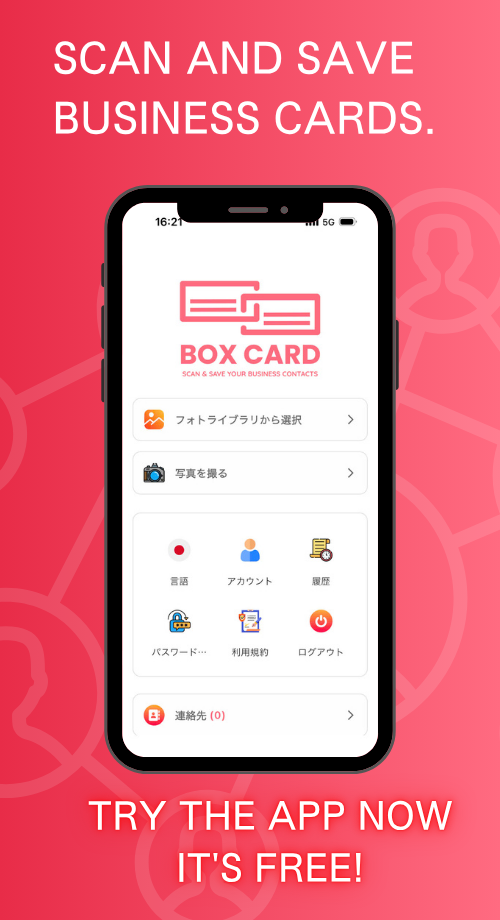
- Scan and organize cards on the spot: Digitize business cards the same day to avoid data loss and to tag leads by show and priority. If you use Boxcard, scan cards into your account, add tags like the event name and meeting notes, and set follow-up reminders.
Follow-up workflow that turns meetings into deals
Networking doesn’t end when the show closes. A disciplined follow-up turns conversations into commitments.
- Digitize immediately: Scan any paper cards and upload them to your contact manager the same day. Tag each contact by event, company, and priority level.
- Send personalized follow-ups within 48 to 72 hours: Reference a specific point from your conversation and propose a clear next step, such as a technical call, pilot, or sample delivery.
- Attach useful material: Send a short one-page summary, a spec sheet, or a 3-minute product video that matches the prospect’s interest. Keep the message concise and action-oriented.
- Schedule the next contact: Use calendar invitations with a clear agenda. For engineering prospects, aim for a technical deep dive; for procurement, aim for pricing and lead times.
- Track progress in stages: New lead, qualified, proposal, pilot, closed. Export contacts from your card manager to your CRM and update stages weekly after the show.
Common mistakes and how to avoid them
- Collecting cards without context: Fix by adding one sentence to each contact immediately after meeting. If you use Boxcard, add notes and tags at the time of scanning.
- Not prioritizing leads: Rank contacts by decision influence and project timeframe. Follow up fastest with the high-influence, near-term prospects.
- Relying only on booth traffic: Active outreach before and during the event secures higher-quality meetings than standing and waiting.
- Overloading attendees with collateral: Deliver concise, audience-specific information. Engineers want specs; procurement wants unit cost and lead time.
Attend the show that matches your goal: visibility at a broad mobility event or deep technical conversations at a specialist expo. Prepare a short demo, book target meetings in advance, and digitize contacts on day one to make every show count.
Next steps: pick one show that aligns with your primary objective, set three measurable goals for that event, build your 10-priority list from the exhibitor directory, and plan to scan and tag every business card using a contact digitization tool like Boxcard so follow-up is immediate and organized.