Best Beauty and Cosmetics Trade Shows in France
This practical guide helps you choose which French beauty and cosmetics trade shows to attend, explains who benefits most from each event, and gives concrete checklists for planning, exhibition, contact capture, and post-show follow-up.

Which trade shows in France are worth your time, and how to choose the right ones
You want to meet buyers, find suppliers, or launch a new beauty product in France. Trade shows can deliver those outcomes, but not every event will suit your goal. This guide points out the best, reliably useful French and nearby events for the cosmetics and beauty industry, and explains when to go as a visitor, when to exhibit, and how to turn contacts into real business.
Shortlist: five events to consider
Below are events that consistently matter to people working in cosmetics, beauty tech, formulation, packaging, retail, or travel retail. For each I explain the focus, who benefits most, and what to prepare.
Cosmetic 360, Paris
- Focus: product innovation, formulation technologies, lab equipment, new materials, and ingredients.
- Who should attend: R&D teams, ingredient suppliers, startups with new tech, and innovation scouts from established brands.
- What to expect: short talks and demos that show emerging technologies, plus suppliers presenting prototypes rather than only finished retail products.
- How to prepare: bring clear technical questions, sample data sheets, and a concise one-page description of your technology or requirement. Book meetings ahead with R&D contacts to see demos rather than relying on walk-ins.
Beyond Beauty Paris
- Focus: mainstream and indie cosmetic brands, retail buyers, finished goods, and distribution channels.
- Who should attend: brand founders, sales teams, distributors, and retailers looking for ready-to-sell ranges.
- What to expect: brand stands, product launches, and retail-focused networking. Good place to test market reactions to packaging and claims.
- How to prepare: if exhibiting, have retail-ready packaging and clear pricing tiers. If visiting, prepare a short pitch, product samples, and buyer-focused sheets that show margins and supply lead times.
in-cosmetics (Paris edition)
- Focus: ingredients, active compounds, raw materials, and regulatory support for formulators.
- Who should attend: formulators, procurement managers, regulatory affairs staff, and ingredient suppliers.
- What to expect: many ingredient booths and technical sessions. A practical setting for sourcing and comparing ingredient suppliers side by side.
- How to prepare: have technical questions ready, request sample quantities in advance if allowed, and compile a short list of suppliers to visit to avoid wasting time on lower-priority booths.
TFWA World Exhibition & Conference, Cannes
- Focus: travel retail and duty-free, including prestige cosmetics and fragrance brands.
- Who should attend: brands selling into airports, duty-free retailers, travel retail distributors, and global brand teams aiming to enter travel retail.
- What to expect: high-level buyer meetings, showcases of luxury formats and travel-exclusive products, and networking with travel retail operators.
- How to prepare: target buyer meetings well before the show; travel retail buyers expect exclusives or pack formats optimized for the channel. Prepare sell-in arguments that show incremental revenue potential in airports and inflight retail.
Luxe Pack and packaging-focused events near France
- Focus: packaging, design, and material innovation for luxury and cosmetic packaging.
- Who should attend: packaging managers, brand creative directors, procurement for primary and secondary packaging.
- What to expect: tactile displays, finishing techniques, and suppliers showing mockups and small runs. Good for switching pack suppliers or launching premium editions.
- How to prepare: bring packaging specs, expected annual volumes, and a short list of must-have finishes. Be ready to discuss minimum order quantities and lead times.
How to pick the right show for your objective
Trade shows serve distinct business problems. Choose based on the outcome you need, not the brand recognition of the event.
- Find suppliers or ingredients: prioritize ingredient- and innovation-focused shows such as in-cosmetics and Cosmetic 360.
- Sell finished products or test retail demand: choose consumer- and retail-oriented events such as Beyond Beauty Paris.
- Enter travel retail: target TFWA events where travel retail buyers congregate.
- Improve packaging or launch premium SKUs: attend packaging-focused exhibitions.
Practical planning checklist
- Set measurable objectives: number of qualified meetings, sample orders, distributor leads, or concrete follow-ups. Without numbers you will not measure ROI.
- Prioritize meeting slots: book buyers and key suppliers before the show. Walk-ins are fine for discovery, but most senior buyers plan ahead.
- Prepare one-page leave-behinds: a clear product sheet with USP, pricing, MOQ, lead time, and contact. Buyers prefer short, fact-based documents they can forward internally.
- Samples and compliance: bring small, retail-looking samples, and have documentation ready for claims, ingredients, and safety if requested by a potential partner.
- Staffing and training: choose staff who can answer technical questions and close deals. Brief them on the objectives and a 30-second pitch for different audiences.
- Follow-up system: plan post-show follow-up within 48 to 72 hours. A meeting without a timely follow-up loses momentum quickly.
Booth and presentation: common mistakes to avoid
- Too much text on displays: a crowded stand makes visitors leave. Use visuals and a concise headline that explains your value in one line.
- No meeting rhythm: failing to book meetings in advance leaves you dependent on chance encounters. Allocate time for scheduled meetings and short walk-in conversations.
- Unclear next step: every interaction should end with a specific next step, for example: a sample shipment, a follow-up call, a quote, or a trial order.
- Poor contact capture: do not rely on business cards piling up. Use a reliable contact-capture process and export it into your CRM quickly.
How to capture and use contacts effectively
Trade shows generate a lot of business cards and digital contacts. Convert that pile into revenue by having a plan before you go.
- Decide how you will capture contacts: badge scans, business cards, or QR codes linked to a sign-up form on a tablet.
- Tag contacts by priority: hot leads, follow-up required, informational, or media. That lets your team act quickly after the show.
- Prepare a two-step follow-up: an immediate thank-you email with next steps and a scheduled call within a week to push the conversation forward.
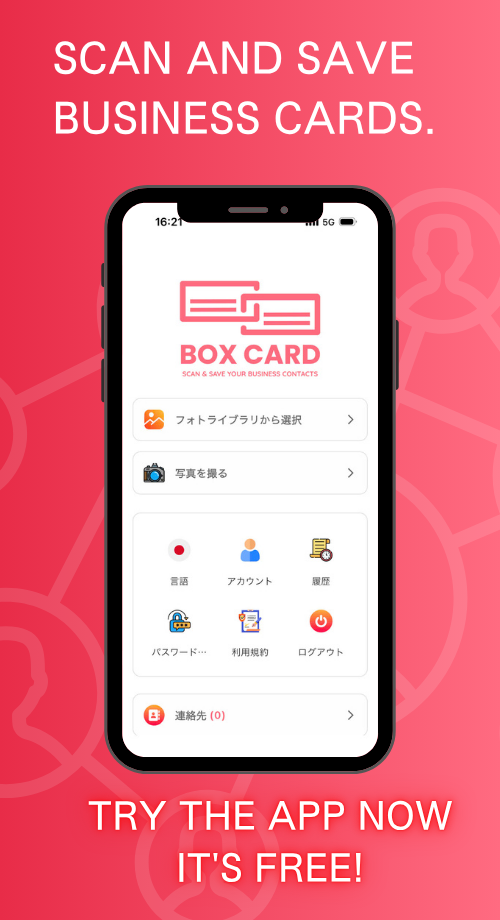
You can use Boxcard at trade shows to digitize business cards on the spot, organize contacts into categories, and export clean contact lists for quick follow-up. That prevents lost leads and speeds up outreach after the event.
Budgeting: what to estimate
Trade shows carry visible and hidden costs. When you plan your budget include the following categories:
- Exhibition space and booth construction or rental.
- Travel, accommodation, and per diems for staff.
- Sample production and shipping to the venue.
- Marketing collateral and digital assets for on-stand use.
- Meeting scheduling tools or lead capture services if you outsource them.
- Time cost: senior staff often spend days away from other responsibilities.
After the show: a 14-day action plan
- Within 48 to 72 hours, send personalized thank-you notes and the promised materials.
- Assign leads to owners and book follow-up calls for hot prospects within the first two weeks.
- Update your CRM with tags and source information so you can track conversion from that event.
- Review performance against objectives: meetings held, sample orders requested, and contracts started. Use that review to decide whether to return next year or try a different event.
Good trade show choices are not about prestige, but about whether the attendee mix aligns with your current business needs.
If you are choosing a first event to test the French market, start with a smaller, focused show that matches your objective and scale up once you can measure clear outcomes. If your goal is to meet buyers and distributors, pick a retail-focused show and plan meetings well in advance. If you are sourcing ingredients or packaging, technical exhibitions will save you time and reveal options you would not find online. Prepare your follow-up system before the doors open and use tools such as Boxcard to capture, organize, and act on every contact while the conversation is still fresh.
Your next step: set a single objective for the event you will attend, then schedule the first five meetings or supplier visits before you buy a booth. That discipline turns trade show attendance from a cost into a measurable investment.