Best Networking Events in London for International Business Professionals
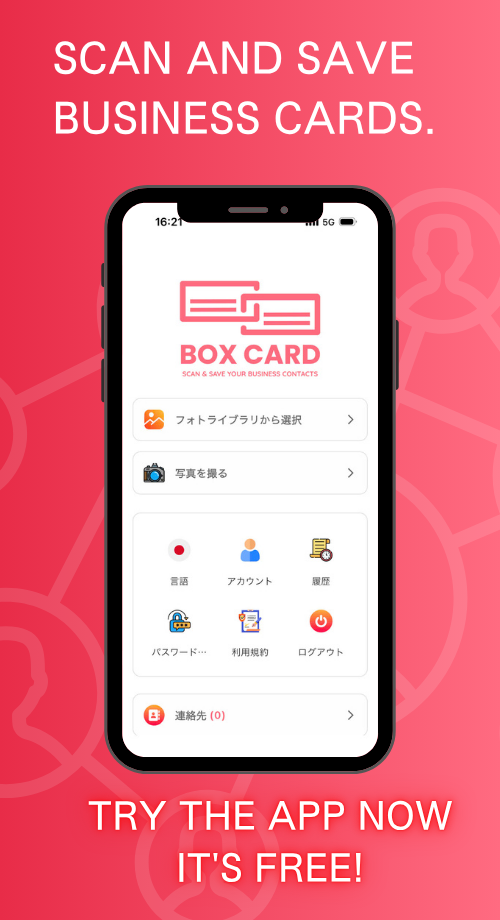
Choose events by outcome: chambers and embassy briefings for introductions, conferences for visibility and leads, and meetups for referrals. Prepare three objectives, digitise cards promptly with a contact app like Boxcard, and follow up within 48 hours to turn handshakes into meetings.
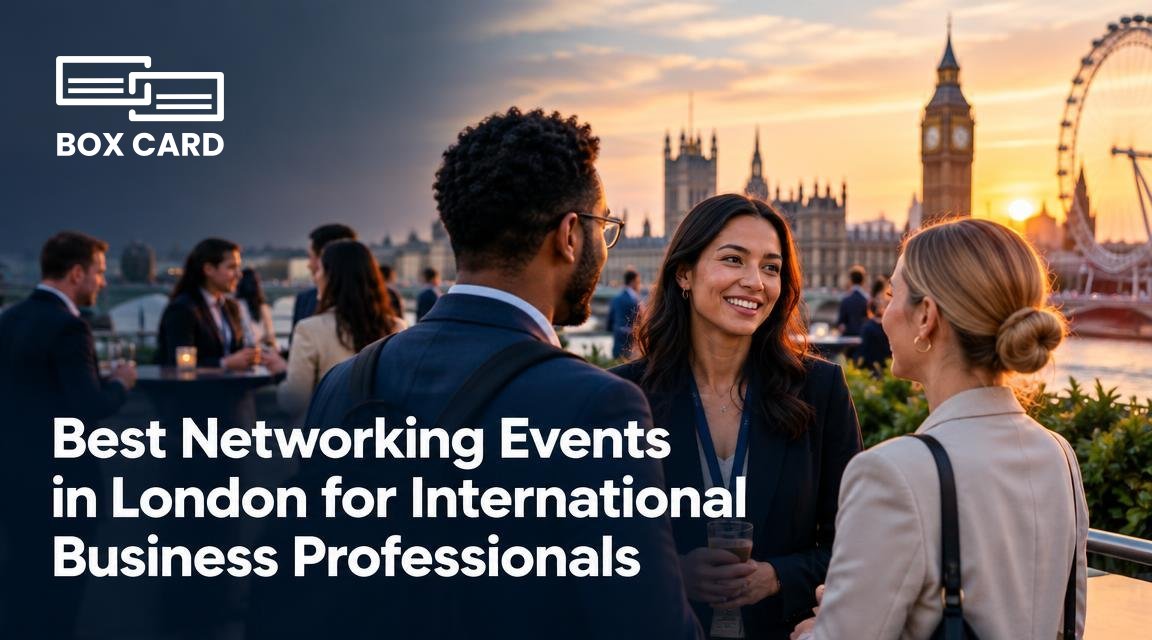
You have limited time in London and a long list of people you want to meet. Which gatherings will actually grow your international business network, and how do you turn a hand shake into a project or partnership? This guide helps you choose the right kinds of events in London, prepare for them, and follow up so the connections matter.
Where to look for the right events
Start by thinking in categories rather than specific names. Different event types produce different outcomes for international professionals.
Chambers of commerce and bilateral associations
These organisations run regular breakfasts, briefings, and receptions that attract decision makers, in-house counsel, and trade officers. Examples include national chambers and sectoral chapters. Use chamber calendars to find trade-focused briefings and country-specific networking, which can be the fastest route to introductions with exporters, legal advisers, and logistics partners.
Industry conferences and trade shows
If you want leads, market visibility, or to benchmark competitors, sector conferences and trade shows are the efficient choice. Expect more structured interactions: exhibitor stands, scheduled meetings, and speaker sessions you can use as conversation openers.
Startup hubs, accelerators, and coworking spaces
For deal flow, partnerships, or hiring, visit startup cluster events and demo days in places like Shoreditch, Canary Wharf, and South Bank. These gatherings are informal, fast-paced, and useful for finding talent and technology partners.
Embassy, cultural institute, and trade mission events
Embassies and consulates often host sector roundtables and investor receptions when delegations are in town. These are good for formal introductions to regulatory and market-entry contacts, and for meeting people who work on cross-border projects.
Local meetups, after-work drinks, and alumni groups
Less formal gatherings are ideal for expanding a referral network. Look on Meetup, Eventbrite, and LinkedIn Events for specialist groups, alumni events, and professional societies that fit your sector or nationality.
How to choose which events to attend
Ask three questions before you buy a ticket or say yes to an invite:
- What outcome do I want? Find partners, get clients, recruit talent, or gain visibility. Trade shows and conferences are better for visibility and leads, embassy and chamber events are good for introductions, informal meetups for referrals.
- Who will be there? Review attendee lists, speaker lineups, and sponsor lists. If the organisations or job titles you need appear, the event is worth the time.
- What is the cost in time and money? Consider travel, ticket price, and whether you can meet multiple targets in one visit. A single well-chosen conference can replace several smaller events.
Use that short decision rule: if at least two of the three questions point to a clear business benefit, go. If not, skip or find a different event.
Prepare to get the most value
Preparation separates wasted time from productive meetings. Do these four things before you arrive.
- Set three objectives. One primary outcome, one fallback, and one learning goal. For example, secure two exploratory meetings, meet a potential local partner, and learn how competitors position their offerings.
- Research attendees and speakers. Use the event app, LinkedIn, and the organiser website. Identify five people you will approach and one conversation starter for each.
- Refine your 30-second pitch. International audiences care about clarity: what you do, who benefits, and one recent result or client example. Keep it specific and avoid jargon.
- Prepare materials and capture tools. Bring a few printed business cards, a phone with a contact capture app, and a notebook or contact form template. If you collect cards, digitise them immediately with a business-card app such as Boxcard so notes and tags stay attached to each contact.
How to behave at the event so you actually get meetings
Networking is not collecting business cards. It is creating permission to continue the conversation. Use these practical tactics.
- Arrive early. Early arrival gives you quieter time to speak with organisers, speakers, and other early birds.
- Lead with a question. Ask about the person’s current focus in London, a recent project, or what drew them to the event. Questions open dialogue faster than statements.
- Trade value, not cards. Offer a specific follow-up, such as a short intro to a partner, a market note, or a time to discuss a shared opportunity. If you promise something, note it immediately and follow up.
- Take brief notes. After each conversation write a sentence about the person, what you promised, and why you should follow up. If you used Boxcard to digitise their card, attach that note to the contact so it is searchable later.
- Rotate focus. Split your event time into thirds: 30 percent meeting priority targets, 40 percent meeting secondary prospects, 30 percent casual conversations that could lead to referrals.
How to follow up so you convert contacts into opportunities
Follow-up is where most networking fails. Do this within 48 hours while you are still fresh in people’s minds.
- Send a short personalised message. Refer to one detail from the conversation, restate the next step, and propose a clear action, such as a 20-minute call or a meeting week after next.
- Use a contact system. Add the person to your CRM or a contact manager like Boxcard, tag them by event and priority, and attach your notes and promised materials.
- Schedule the next action immediately. If you asked for a meeting, propose two slots and add a calendar invite as soon as they confirm. Deadlines and calendar entries create momentum.
- Track results. After three contacts convert to meetings, evaluate which event produced them and why, so you can repeat what worked and stop what did not.
Common mistakes international professionals make in London
- Chasing quantity over quality. Attending many events without a clear aim wastes time. Choose fewer events where your target audience gathers.
- Failing to adapt communication. London is international, but different sectors and nationalities prefer different formality levels. Mirror tone and pace briefly to build rapport.
- Not following up fast enough. Connections cool quickly. Follow up within 48 hours or you lose the window to convert introductions into meetings.
- Letting contacts sit unorganised. A stack of cards is dead weight. Digitise, tag, and action each contact within 72 hours.
Practical checklist before your next London event
- Pick one event type that matches your primary goal, then identify a specific event.
- List five priority contacts to meet and prepare tailored openers for each.
- Refine a 30-second pitch and print 20 business cards.
- Install a card-capture app and plan to digitise cards immediately, for example with Boxcard.
- Follow up within 48 hours, log contacts, and schedule next actions in your calendar.
If you are new to London, focus first on chambers and embassy events to get credible introductions. If you are raising capital or recruiting, prioritise startup hubs and industry conferences. Above all, convert every event into a small plan: objectives, five target people, follow-up commitment. That simple structure turns a busy week of events into measurable business development.