Top Business Networking Events in Switzerland
Choose events that match a clear outcome, prepare targeted outreach before you go, and commit time to organized follow-up. The right mix of curated conferences, industry trade shows, and university gatherings will produce useful relationships across Swiss cities.

You want to meet the right people in Switzerland, not just collect flyers. Which events are worth your time, who shows up, and how should you prepare so the contacts you make actually become useful? This guide picks the most productive kinds of networking events across Swiss cities, points out a few notable examples, and gives practical steps you can apply before, during, and after the event.
Which events actually build relationships
Not every large gathering is good for networking. Choose events with an interaction structure that matches your goal.
- Curated conferences, where organizers run breakout sessions, roundtables, or curated matchmaking. These are best for getting introductions to relevant people.
- Industry trade shows, which gather buyers, suppliers, and press in one place. Good for product exposure and fast qualification conversations.
- Startup and investor meetups, where the purpose is introductions and deal flow. Expect short, purposeful conversations and follow-up afterwards.
- Professional association events, such as chamber breakfasts or professional society meetings. These attract peers and decision makers within a discipline, and are useful for long term relationship building.
- University and alumni gatherings, especially in Switzerland where ETH, EPFL, and other schools host industry-facing events. These are useful for hiring, tech scouting, and partnerships.
Top events and event types by city
Below are categories and representative events or settings in Switzerland that consistently produce useful connections. Use the descriptions to judge whether an event matches your objectives.
Zurich: tech, digital, and finance conversations
- Worldwebforum, an annual forum that attracts senior digital and marketing leaders. Good if you want high level contacts in digital strategy and media.
- Local startup meetups and fintech circles. Zurich also hosts many finance industry roundtables that are practical for sales in wealth and banking services.
Geneva: international organisations, diplomacy, and luxury
- Conferences and events tied to international organisations and NGOs, which are useful if your work touches global policy, humanitarian tech, or cross border regulation.
- Luxury and watchmaking trade gatherings, where the ecosystem is compact and introductions often come through a small number of gatekeepers.
Basel: life sciences, pharma, and the creative world
- Large trade fairs and industry symposiums focused on pharma and biotech attract decision makers and corporate partners.
- Art Basel, while an art fair, is also a high-value networking moment for luxury brands, galleries, and collectors.
Lausanne and the Lake Geneva region: research, cleantech, and startups
- EPFL-led innovation events and university spinout showcases. These are fertile for technology partnerships and hiring technical cofounders.
- Regional startup gatherings and investor pitch nights, where angels and VCs from Switzerland and nearby France gather.
Ticino and Lugano: Italian-speaking market and cross border business
- Business forums and regional chambers of commerce events, useful for companies operating across Switzerland and northern Italy.
How to choose which events to attend
- Define the outcome, not the attendance number. Are you looking for a client, a cofounder, press coverage, or a hiring lead? Different outcomes require different events.
- Scan the agenda and speakers. Look for sessions with Q and A, roundtables, or structured networking slots. If an event is mostly long plenary presentations, you may get fewer meaningful conversations.
- Check the attendee list, when available. A short, targeted attendee list with senior titles beats a long anonymous list for relationship building.
- Consider timing and follow-up capacity. If you cannot follow up promptly after an event, pick fewer events and invest deeper in those.
Practical preparation: what to do before the event
- Set 2 to 4 specific goals, for example: meet two potential partners, collect three qualified leads, or find a mentor. Write them down and carry them with you.
- Research speakers and attendees. Identify 5 people you most want to talk to and note one specific reason to approach each person.
- Prepare a one line introduction and a 30 second value statement. Focus on what you do and whom you help, not on a long biography.
- Bring a simple leave behind, such as a business card. After a conversation, add a short contextual note on the card or in your phone, so you remember why you connected.
- Plan post-event time. Block two working days after the event for follow-ups, connecting on LinkedIn, and qualifying leads.
During the event: conversations that lead somewhere
- Lead with curiosity. Ask about current priorities or challenges, and listen more than you talk. That makes it easier to offer relevant help or a follow-up.
- Be specific when offering next steps. Instead of saying I will follow up, say I will send a one paragraph note with two dates for a short call. Specifics raise the chance of a reply.
- Limit multitasking. A good rule is no phone use during face to face conversations unless you are sharing a relevant example or calendar slot.
- Record key facts immediately. Right after the chat, jot down why the person matters, a one line summary of their pain point, and the agreed next step.
After the event: follow up that converts
- Send a short, personalized message within 48 hours. Reference the conversation, add one useful resource or an offer to introduce them to someone, and suggest a concrete next step.
- Organize contacts. Tag or categorize each person by action required and priority. Digital contact management is essential when you meet many people.
- Keep the relationship alive with useful touches: an article, a relevant event invitation, or a brief update on progress that affects their interest.
Tools and habits that save time
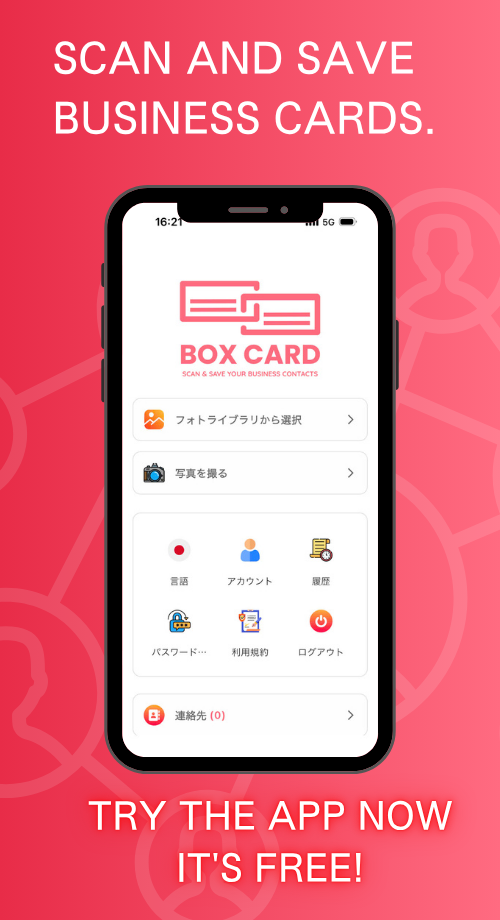
Collecting business cards still happens in Switzerland. If you use physical cards, digitize them promptly so they do not sit in a drawer.
- Digitize and tag new contacts the same day you meet them. Include the event name and a one line context.
- Use one calendar invitation or CRM task per agreed follow-up, with the conversation note attached. This avoids promising follow-ups you forget.
- Consider a simple monthly review of new contacts, so you prioritize outreach that will actually move opportunities forward.
A practical rule for deciding which events to attend
If an event meets two of these three conditions, it is usually worth your time: organizers share part of the attendee list or have structured networking, the agenda contains active sessions that encourage interaction, and the audience includes people with titles or roles that match your goals. If only one condition is met, ask whether you can achieve the same outcome through smaller, more targeted meetings.
Quality beats quantity: a handful of well targeted conversations will produce more business than dozens of superficial exchanges.
Plan one event each quarter where you intentionally invest time into relationship building. Prepare deliberately, digitize and organize contacts afterwards, and set clear follow-ups. If you handle business cards, make digitization part of your post-event routine so nothing slips through. That combination turns occasional conference contacts into ongoing opportunities.