Top Healthcare and Medical Events in the UK for Business Networking
A practical guide to the most useful recurring healthcare and medical events in the UK for business networking, plus a step-by-step playbook for choosing events, preparing to meet decision-makers, and converting conversations into pilots and partnerships.
Picking the right healthcare events in the UK for business networking
If you sell to hospitals, work with NHS organisations, develop medical devices, provide digital tools, or run a health-focused start-up, attending events matters. But not every conference gives the same return. This article lists the most useful recurring UK healthcare and medical events for business networking, explains who should attend each one, and gives a practical playbook for choosing events, preparing, and following up so you convert conversations into real opportunities.
Top UK healthcare and medical events to consider
Below are widely recognised events that repeat annually. Check each organiser for current dates, locations, and formats before booking.
Health+Care
Why go: Large, London-based event that combines an exhibition hall with conference sessions and a heavy NHS and social care audience. Good for companies that want broad exposure and for meeting a mix of clinical, procurement, and policy professionals.
Who should attend: Suppliers of clinical equipment, digital health firms, service providers, and consultancies targeting NHS trusts and integrated care systems.
NHS Confederation Annual Conference and Exhibition
Why go: This conference attracts senior NHS leaders and commissioners. The event tends to focus on policy, system-level challenges, and strategic partnerships.
Who should attend: Organisations seeking executive-level partnerships, strategic pilots, or advocacy work with NHS leaders.
Med-Tech Innovation Expo
Why go: Focused on medical technology, devices, and manufacturing. Exhibitors include device developers, component suppliers, and labs. The setting is practical: demonstrations, technical sessions, and supplier meetings.
Who should attend: Device manufacturers, component suppliers, engineers, and clinical teams evaluating new equipment.
Digital Health Rewired
Why go: A conference aimed at digital leaders in the NHS and health systems, with a large proportion of attendees involved in IT, data, and digital transformation programs.
Who should attend: Digital health vendors, data analytics companies, health IT consultancies, and product managers targeting NHS digital teams.
Future Healthcare Exhibition and Conference
Why go: A show that blends clinical innovation, hospital equipment, and services with practical sessions on procurement and implementation.
Who should attend: Hospital procurement teams, clinical leads, and suppliers of hospital-focused solutions looking for procurement contacts and pilot opportunities.
The Pharmacy Show
Why go: One of the biggest events for community and hospital pharmacy professionals in the UK. It is product-focused and heavily attended by practising pharmacists and pharmacy managers.
Who should attend: Suppliers of pharmacy systems, medicines management tools, and services targeting pharmacy workflows.
HSJ Patient Safety Congress
Why go: Targeted event for patient safety professionals, quality leads, and clinical governance. Useful if your product addresses safety, incident reduction, or process reliability.
Who should attend: Companies offering patient safety tools, clinical audit systems, and process improvement services.
BioTrinity
Why go: A life sciences and biotech networking event in London that brings investors, pharma, and biotech companies together. It leans toward partnership and investment conversations.
Who should attend: Biotech start-ups, life sciences service providers, and companies seeking investors or pharma collaborations.
How to choose which events to attend
Deciding where to spend travel and marketing budget needs clear criteria. Use this checklist to pick events that match your goals.
- Audience fit: Are the decision-makers you need likely to be there? If you need NHS trust CIOs, prioritise digital health events. If you need pharmacists, pick The Pharmacy Show.
- Event format: Do you need an exhibition stand to generate inbound leads, or will a smaller conference with curated meetings produce higher quality contacts?
- Stage of your offer: Early-stage firms often benefit more from investor and partner-focused gatherings. Mature vendors should target procurement-heavy exhibitions.
- Cost versus expected ROI: Estimate meetings you can schedule, likely conversion rates, and follow-up resource needs before committing.
- Timing: Coordinate event attendance with product milestones: launches, pilot readiness, or funding rounds are natural hooks for conversations.
Networking playbook: before, during, and after the event
Before the event
- Set one clear goal: Examples: schedule 10 qualified meetings, collect 100 targeted contacts, or secure two pilot agreements. All activity should support that goal.
- Research attendees and speakers: Look up key organisations, speakers, and sponsors. Make a short target list of people to meet and where they will be on the programme.
- Book meetings in advance: Use LinkedIn messages and the event app to set 15 to 30 minute slots. A pre-booked meeting converts much better than a cold encounter on the day.
- Prepare materials: One-page capability summary, case studies, and a short demo. Keep everything accessible on a single slide deck or a link so you can follow up immediately.
At the event
- Lead with a simple proposition: In 20 seconds explain the problem you solve, who benefits, and one credible example of impact. Avoid long technical explanations until the other person asks.
- Use listening over pitching: Ask about the prospect's current priorities, timelines, and procurement barriers. Good discovery makes follow-up more relevant.
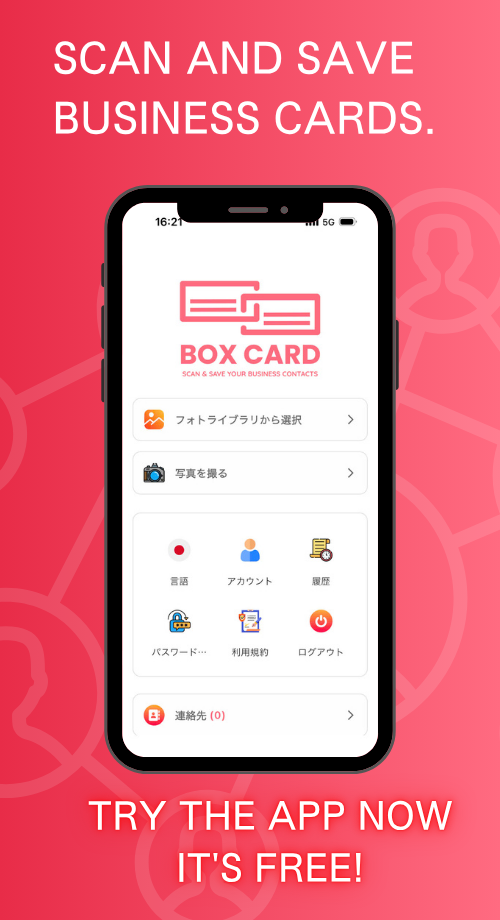
- Collect business cards, and digitise them right away: Physical cards still appear at most events. Scan or photograph cards within hours so contact details are not lost. Boxcard can be a practical tool here because it digitises, organises, and manages business-card information for quick follow-up.
- Qualify on the spot: Give each contact a quick category: priority, nurture, or informational. That will shape your follow-up timing and message.
- Attend sessions strategically: After a session, approach speakers or engaged audience members while the topic is fresh. Use session takeaways as natural conversation starters.
After the event
- Follow up fast: Send personalised emails within 48 hours. Remind them where you met, what you discussed, and propose a clear next step, for example, a 30 minute demo or a pilot conversation.
- Prioritise leads by potential and readiness: Move priority leads into a weekly cadence, nurture leads into a monthly touchpoint, and log informational contacts for occasional updates.
- Record outcomes in your CRM: Add notes about the discussion, urgency, and any documents you promised. If you scanned business cards, make sure they are matched to CRM records and tagged with the event name for later reporting.
- Share useful content: A short follow-up with a tailored case study, budget range, or implementation timeline is more effective than a generic sales brochure.
Two short email templates you can adapt
Keep post-event messages concise and actionable.
- Quick follow-up after a stand meeting: "Hi Name, good to meet you at Health+Care today. As discussed, our solution helps hospitals reduce patient discharge delays by improving bed management. Are you available next Wednesday for a 30 minute demo? I can also share a one-page case study from a similar trust in advance."
- Follow-up after a conference session: "Hi Name, I enjoyed your question at the patient safety session. I have a short note on how we reduced incident reporting time for a trust that might be useful. Can I send it through and arrange a 20 minute call next week?"
Common mistakes and how to avoid them
- Mistake: Collecting piles of cards and leaving them unprocessed. Fix: Digitise and tag cards within 48 hours and assign follow-up tasks.
- Mistake: No specific aim for the event. Fix: Choose one measurable goal per event and align activity to it.
- Mistake: Overloading prospects with generic material. Fix: Send one tailored item that addresses the prospect's main constraint, and propose a small next step.
Choose one large, visibility-focused event and one niche, decision-maker-focused conference each year. Use the large event to build awareness and the niche conference to close pilots and partnerships.
If you want a concrete next step: pick two events from the list above that map to different goals, set a meeting target for each, prepare a short one-page leave-behind, and create an automatic workflow to digitise and tag every business card you collect. That simple routine will turn more conversations at events into measurable business outcomes.